
Body Image Changes in Pregnancy and How Self-Compassion Helps You Feel at Peace
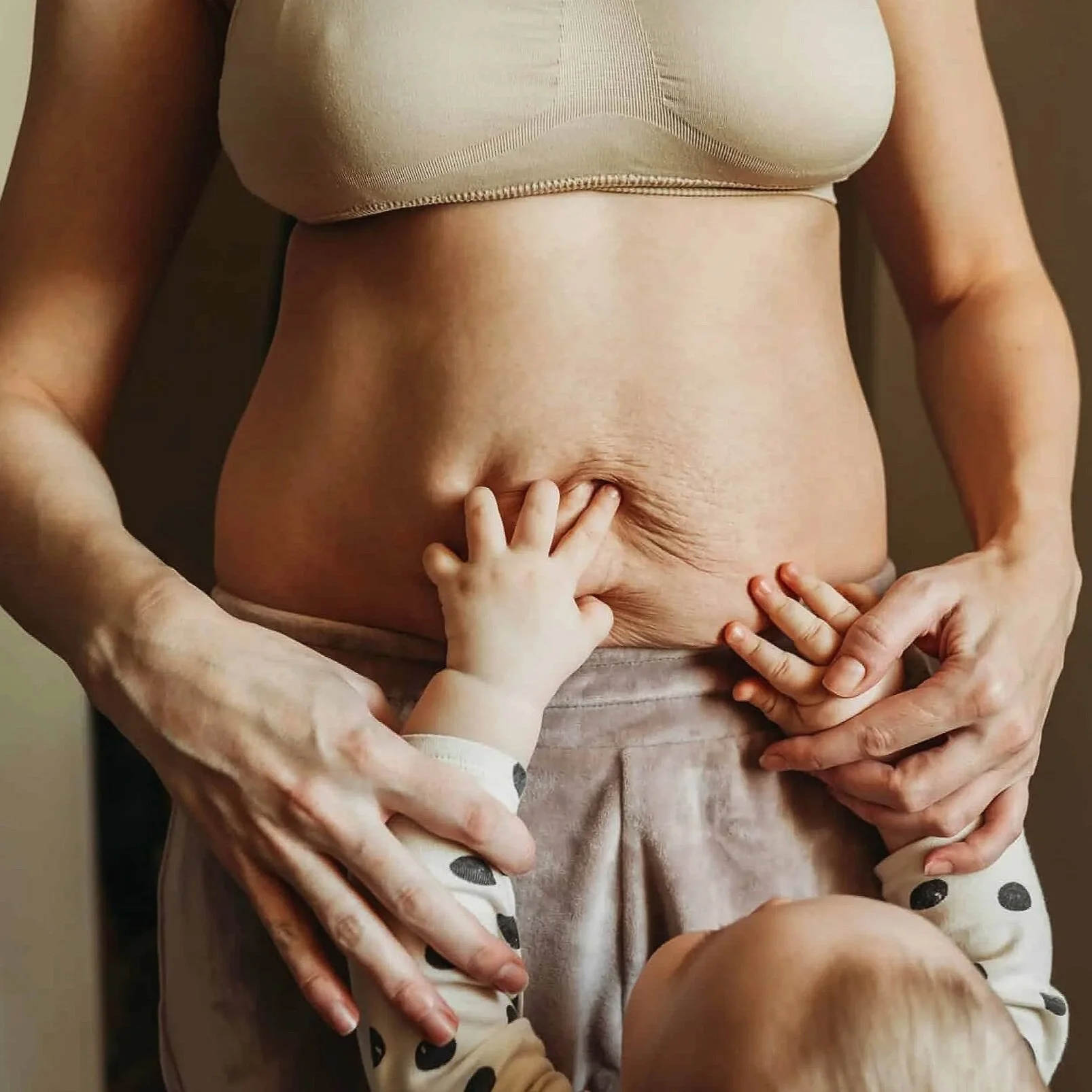
“This body is resilient. It can endure all kinds of things. My body offers me the power of presence. My body is powerful.” - Roxane Gay
When mothers go through pregnancy, it can bring so much change whether it's emotional, physical or even social. Your body is going through these changes day by day, even week by week, and you can sometimes express emotions of excitement and overwhelmingness or even feel unfamiliar and uncomfortable at times. Body image is how you perceive yourself physically and how you feel about those perceptions and mixed emotions. It’s so common to stare at yourself in the mirror and feel like you don’t fully recognize who you are, even while having this strong love for the new life growing inside you.
If you’re a mom that's ever felt any fear, self-consciousness, confusion, or even feeling like emotionally you’re not yourself, you’re not alone. You are absolutely valid for feeling this way and there's nothing wrong with you. Having to adjust to these changes can be hard but treating yourself with the utmost compassion can really help. Be kinder to yourself when things feel frustrating or out of place.
Body Image During Pregnancy (The Reality)
There are so many changes that happen to your body during pregnancy, and many mothers struggle with how those changes make them feel. Research shows that this is common. In a journal from ScienceDirect owned by Elsevier called, The Role of Body Dissatisfaction and Self-Compassion In Pregnancy- Related Anxiety talks about, “ Women undergo significant physical, physiological, and psychological changes during pregnancy. They are also exposed to sociocultural pressure to meet appearance-related ideals.” A lot of the pressure that women are facing can come from the media, your peers, and families who put unrealistic expectations on you to maintain that perfect baby bump, not to gain too much weight, and to quickly try to return to a pre pregnancy body after giving birth. Because of all this pressure women face, it could lead to body dissatisfaction during their pregnancy. Another source from PubMed Central called, Exploring The Influence Of Pregnancy On Cognitive Function In Women: A Systematic Review explains, “ Pregnancy triggers various adaptive changes in maternal physiology and brain function due to hormonal fluctuations, influencing mood and behavior.” There are a lot of feelings that are involved in a woman's mind during pregnancy that not only changes their body physically, but changes how her brain functions. The hormonal shifts could lead to them having mood swings, anxiety, and becoming emotionally distressed, especially when society and social media makes you feel the pressure to look a certain way while your body is changing so quickly.
Sorting through your feelings
We live in a culture where social media plays a huge part in our lives. We see mothers all over posting images of their perfect pregnancy captioning “cute baby bumps” and “bouncing back fast.” But our real bodies don’t look like what you see on social media and they aren’t meant to. When women are surrounded by images and messages that make them feel like they should have the perfect body or they should be glowing and confident, it can feel very overwhelming, sad, and isolating when their reality looks different from others. Mothers constantly compare themselves to other moms especially from what they see and read and it strongly contributes to them feeling not satisfied in their own body, even during their pregnancy. These emotions and feelings are a natural response to society's unrealistic expectations that are placed on mothers' pregnant bodies. Always know that there is no “right” way for a pregnant body to look like. Everyone's journey through pregnancy is different and you're not meant to look the same, and that's the beauty of it. Your body is growing a life and that natural transformation is something that is so incredible and beautiful.
Birthing stories shape how mothers feel about their own bodies
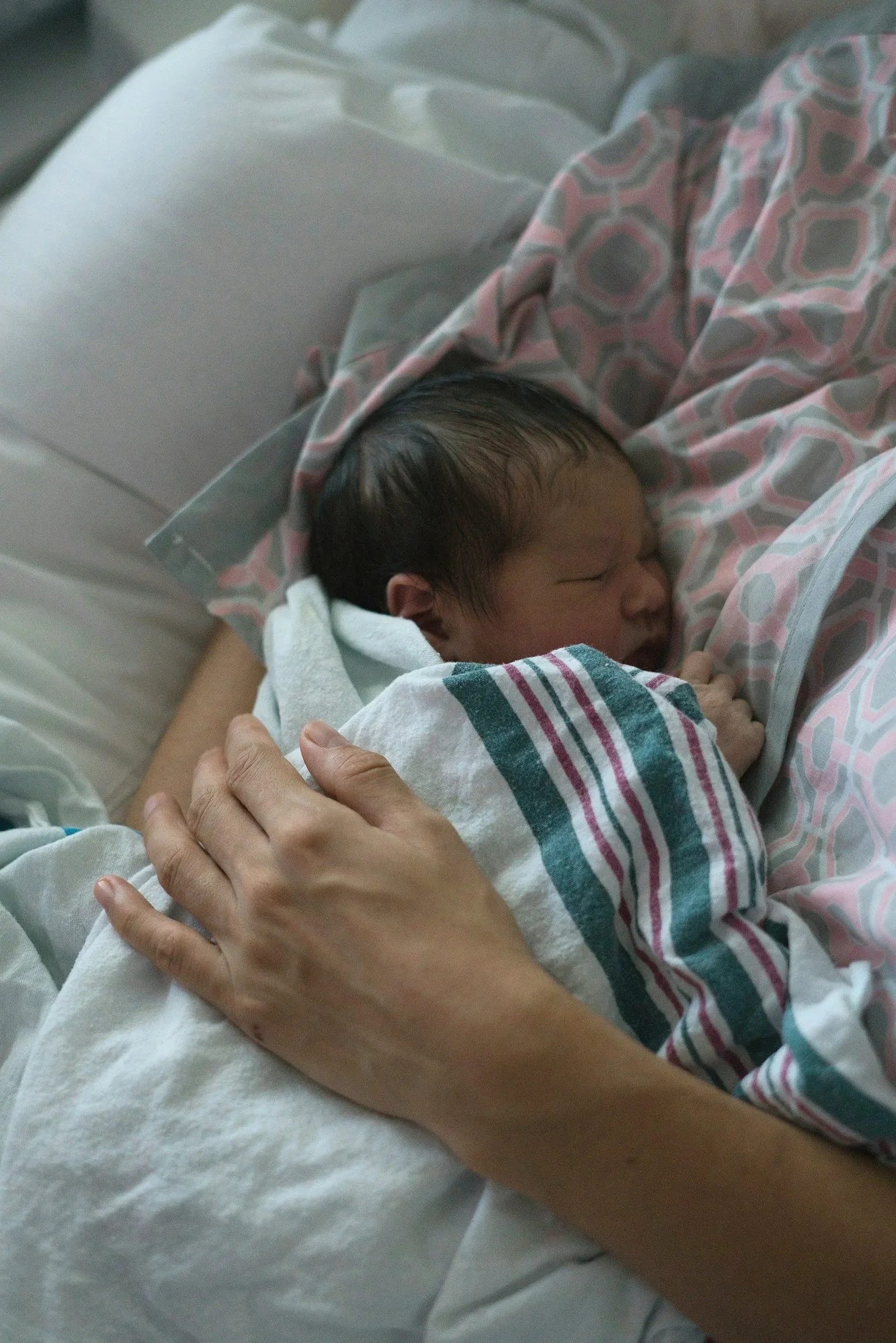
Body image can be tied to birth experiences and expectations. You may have strong feelings about how you want and hope to give birth and what your experiences will be like. A lot of those thoughts and hopes come into play about how women feel about their bodies during and after their pregnancy process. One can plan for a vaginal birth but can end up needing a cesarean. You may want to have a cesarean but later on, can struggle with unexpected physical and emotional recovery that can be hard. How does hearing about other women’s stories make you feel? Is it different if it comes from a stranger (like through podcasts) vs. if it is a friend telling you? Research from an article from the PubMed Central called, The Association Between The Emotional Tone of Birth Stories and Pregnancy-Related Anxiety: A Dyadic Study In Poland explains, “ Women who perceived the stories they encountered as negative were significantly more likely to report heightened childbirth anxiety, stronger doubts about their ability to give birth, and a great inclination toward cesarean delivery… In contrast, exposure to positive or empowering narratives was associated with lower anxiety levels and increased motivation for vaginal birth.” In this article, the statistics state, “51.24% of women reported that hearing birth stories increased their anxiety about childbirth,” and “43.80% of women reported that hearing birthing stories made them rather inclined to choose cesarean delivery.” The birthing stories women hear can bring a lot of emotions to mind. Whether it’s hearing scary and negative things that can bring out fears you didn’t know you had. Or Positive and empowering things that make you feel at peace and more confident about giving birth. The birthing stories you hear from the media, whether it’s on instagram, facebook, or a podcast, or even from your friends, family, and strangers can influence the decisions you make about what you believe is best for you.
What does Self-Compassion really mean
Having compassion for yourself during or after pregnancy isn’t about pretending that everything is fine or having to be positive all the time. It means that you need to allow yourself to really feel what you feel without judgment or ignoring your feelings. It’s about responding to yourself with kindness and care instead of criticism. An article from CFIR called, The Self-Compassionate Approach to Coping with Postpartum Body Image Challenges talks about, “ Self- Compassion is also simple to understand as it involves treating yourself with the same care and understanding that you would offer to a loved one in a time of need.” It also breaks down what self-compassion includes.
Mindfulness: when you find yourself thinking about the hard thoughts without getting stuck on them
Common Humanity: remember that other moms may struggle with this too
Self-kindness- giving yourself warmth and love instead of blame
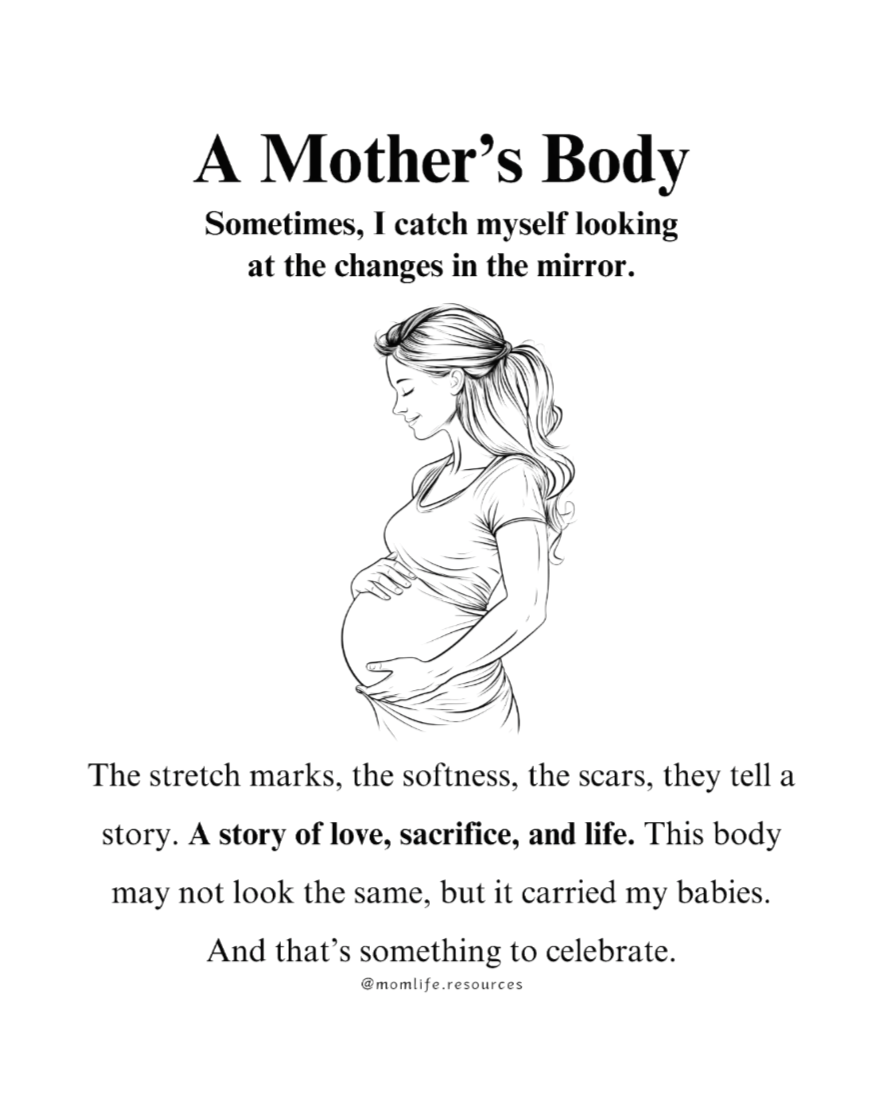
Self compassion also looks like protecting your peace and personal space. An article published in the BMC journals called “Women’s experiences of their pregnancy and postpartum body image: a systematic review and meta-synthesis states, “ Women perceived their bodies as public property during pregnancy, with family, friends, and strangers touching their stomach or making personal comments about their appearance or behaviours." This explains that many mothers can go through different moments in time where they feel their boundaries and personal space has been crossed. It’s completely okay and understandable to speak up when you feel uncomfortable. It’s having self respect for yourself and it’s not you being unkind to anyone in any way. It’s YOUR body and you’re growing a new life in there. You should be able to express how you feel about boundaries and what makes you feel safe. Never feel like you are obligated to do what others want you to do. Remember to remind yourself that your stretch marks, your scars, cellulite, and weight changes are signs that your body is transforming and not a sign of failure. Remember that you are beautiful inside and out and you are not alone in this experience. A healing part of self-compassion is realizing that other moms can be feeling the exact same way. Healing looks different for everyone. A lot of moms who are pregnant and going through postpartum can carry a lot of insecurities about the way their body looks and how it makes them feel through their recovery process. Having these feelings are normal and means you’re human going through this life changing transition and it’s okay. Don’t push aside the hard thoughts but remember to be kind to yourself and know that it is all worth it in the end.
Honoring your body exactly how it is
You don’t need to speed your healing process just because you see other moms ahead. You don’t need to compare yourself or your experiences to anybody else's. Your body is YOURS and your journey is YOURS. You don’t have to love every change, but don’t fight yourself during your process of recovery. Have patience and know that it gets better. Treat your body with tenderness, love, and care on this new journey of your life.
Sources
https://www.sciencedirect.com/science/article/abs/pii/S0165032722007285
https://cfir.ca/about/blog/the-self-compassionate-approach-to-coping-with-postpartum-body-image-challenges
https://pmc.ncbi.nlm.nih.gov/articles/PMC10318656/
https://pmc.ncbi.nlm.nih.gov/articles/PMC11780924/
https://pmc.ncbi.nlm.nih.gov/articles/PMC12864092/#abstract1
https://link.springer.com/article/10.1186/1471-2393-14-330